Being locked out is stressful for anyone, and having a disability can turn a small problem into a major barrier. I once had a neighbor who used a power wheelchair and lost his key on a rainy night, and that memory shaped how I think about practical responses to lockouts; emergency locksmith Orlando search habits and what to expect from responders are part of that real-world picture. What matters most in those first minutes is reducing risk, preserving independence, and getting reliable help fast.
Why a standard lockout response often fails people with disabilities.
Most locksmith protocols are designed for ambulatory customers, and that mismatch creates both practical barriers and safety issues when people need help. If someone uses a wheelchair, crutches, or has limited hand function, reaching a high deadbolt or presenting ID while balancing becomes a real problem. These differences matter because they change how you prepare, who you call, and what tools and techniques are appropriate.
Practical prepping to reduce panic and delay when a lockout hits.
Store a spare key in a wheelchair bag, a cane holster, or a low kitchen drawer so it's accessible when you most need it. Having a brief note that says, for example, "requires ramp access" or "prefers text updates" removes guesswork for a responder. Tell a neighbor or building concierge where low-shelf spares are stored and how you prefer to be assisted; that soft infrastructure speeds outcomes.
You should look for a locksmith who understands disability accommodations.
Ask about experience with accessible doors, automatic operators, and adaptations such as wheelchair ramps or lower thresholds. Give the dispatcher a brief picture: "wheelchair user, cannot step up, deadbolt at 6 feet" so they send appropriate tools and a technician who understands the constraints. Before the locksmith starts, confirm they will avoid tactics that require you to stand, climb, or hold heavy doors; insist on methods that preserve your safety.
Safety steps during the wait are often overlooked but they prevent secondary injuries.
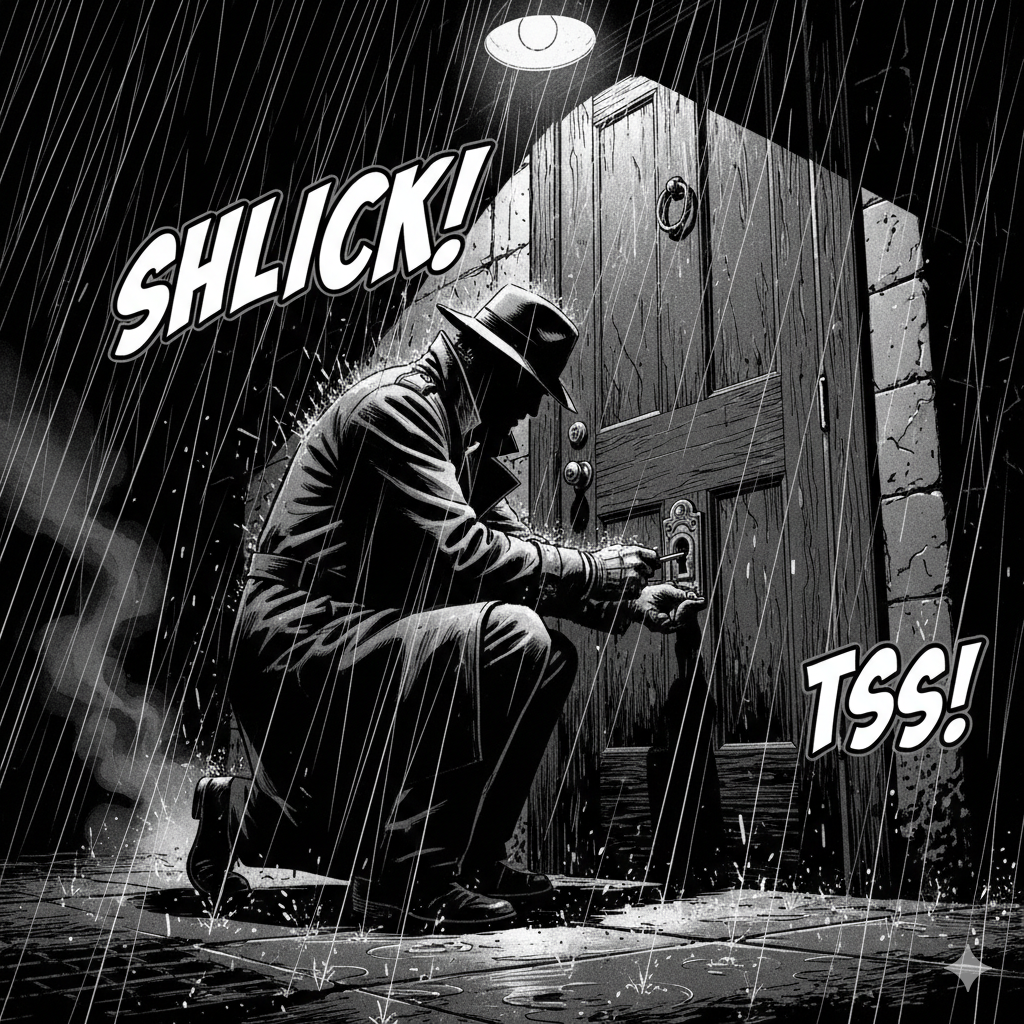
If you are outside, find shelter and stay visible rather than crouching in the rain or trying to force a door that could slip shut again. A simple message with location and a short note about mobility needs creates a small safety net. Small adjustments during the wait prevent discomfort and reduce the chance you will be forced into a risky maneuver later.
Open with the most important facts so both parties avoid wasted attempts.
Concise descriptions work: "cannot climb stairs, need door opened and key replaced, please plan to work while I remain seated." Clear communication about sensory needs speeds the process and reduces misunderstandings that lead to delays. If a ramp or extra space is needed for equipment, point it out and offer to move minor obstacles rather than being asked to stand.
Common technical approaches a skilled locksmith might use on accessible doors.
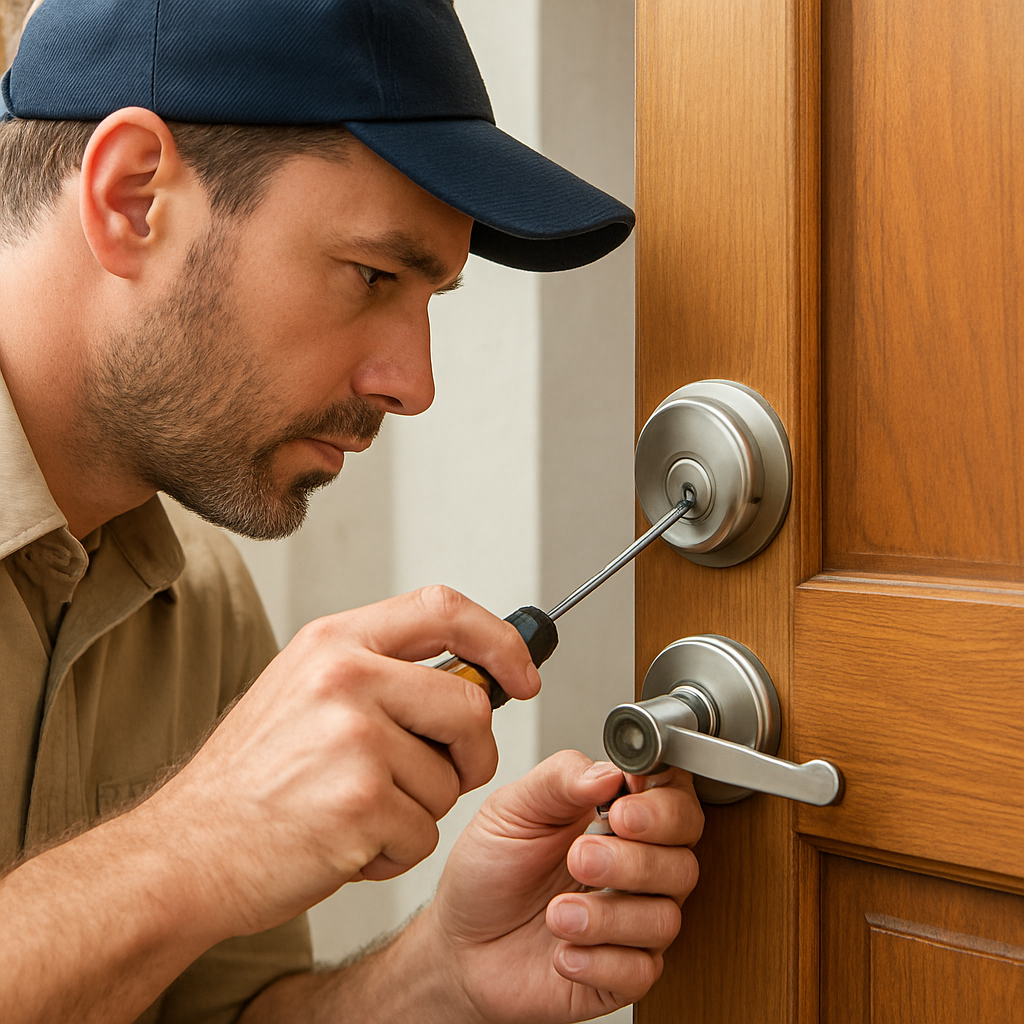
Many accessible doors use lever handles, electric strikes, or low-mounted keyways, and a knowledgeable technician adapts rather than forcing standard picks. If the lock is electronic or tied to an access control system, a technician can often use backup programming or a temporary override rather than replacing the whole assembly. Mobile key cutting and testing on-site avoids a return trip and means you get a working spare before the technician leaves.
When to accept a fast but destructive method and when to insist on preservation.
If the interior temperature is dangerously hot or cold, or a pressing medical need exists, immediate access can outweigh cosmetic damage. Technicians who understand accessibility will balance speed and preservation and 24 hour locksmith explain consequences before acting. In rental or institutional settings, property management may prefer to coordinate repairs and approve replacements to maintain compliance with building standards.
Practical ways to prove access rights without standing or fumbling.
You can include a photo ID on the card if you are comfortable, but the goal is to make verification simple and achievable from a seated position. Make sure your contact knows to answer with a one-line confirmation to speed the process. For residents in managed buildings, register your access needs and authorized representatives with management so locksmiths can verify via the office rather than asking you to do heavy lifting.
How pricing often works for emergency lockouts and what to negotiate.
Emergency calls at night or on weekends usually carry higher rates, and you should ask for an upfront estimate when possible. Photographs before and after the repair protect you if you need reimbursement for replacements or cosmetic fixes. Some local programs or nonprofit services provide subsidized or vetted locksmith referrals for people with disabilities, so check with local disability services or a city consumer protection office.
Simple upgrades that make future lockouts far easier.
A licensed locksmith can advise on height and placement that preserve security while improving reach. Keypad solutions eliminate the immediate need for a spare key if you can remember or securely store a code. A properly balanced closer reduces the force needed to open the door and prevents slams that can be hazardous.
What people actually do when plans meet bad weather and a broken key.
A little planning and the right locksmith relationship turn a locking mistake into a quick service call rather than a traumatic event. A walkthrough lets a company learn the layout, note ramp locations, and build a record of accessible hardware so future calls are routine instead of improvised. Finally, keep contact information for at least two reputable services and a local advocacy or assistance hotline, so you have multiple options when minutes matter.
Tell me whether you prefer text, printable PDF, or a bulleted checklist and I will prepare it to match your daily routine.